
We are all called to make disciples with one another
-
Universal Call for Every Believer
We are all called to imitate Jesus. From a new believer to a more mature in Christ, we are to strive to be more like Him with the help of the Holy Spirit. This is the end-goal of all believers, not just some with special ‘callings’. We all have the amazing call to be like Him.
-
Built One Another, not an Institutuion
We focus on people. We focus on building one another to be more Christlike. The Fellowship as a church is a result of such love and in that order. We are not here to build and grow a church. There is no other entity called the church we serve, but we are the church and we serve one another. Jesus Himself did not command us to build a church but to make disciples. He said that He will build His church, and we honor His words.
-
Jesus is the Only Discipler
To obey our Lord’s commands, we need one another to serve, love, forgive, be gracious and merciful, etc. Any soul we serve, we do so in obedience to our Lord so that we may be like Him. In the midst of these struggles, Jesus molds us to be more like Him. So, we need each other to grow as disciples at all levels of faith journey. We are therefore mutual disciplers under Jesus’ Lordship. He is the true and only discipler.
Below are the condensed sermons preached at THE FELLOWSHIP on what we believe and who we are.
why we launched “THE FELLOWSHIP”
Here is why we launched “The Fellowship,” a new model for Christian community focused on radical, personal discipleship rather than institutional structure. This approach directly challenges modern Western Christianity’s focus on comfort, consumerism, and large organizations. The document critiques how church bureaucracy and the emphasis on attendance, programs, and religious titles have replaced the intimate, personal ministry modeled by Jesus. Consequently, The Fellowship seeks to abandon traditional institutional burdens, titles, and formal membership to prioritize loving one another directly and living out a generous, counter-cultural faith.
Christian faith is all about living the life jesus that commanded, not only attending religious ceremonies.
True worship is not found in religious rituals or institutional programs but rather in a lifestyle of holistic obedience and service to others. God seeks "true worshipers" who demonstrate their faith through "spiritual worship," defined as loving one's neighbor and presenting one's life as a living sacrifice, rather than through mere vertical and private acts of devotion. The church should function as a fellowship focused on mutual transformation, moving away from a hierarchical or institutional model that acts as a mediator of grace. Ultimately, the Bible defines the biblical church as a Discipleship Community and Mission Fellowship, urging a shift in focus from serving a "Big God" to serving "small people."
Church's Disciple-Making Purpose
The core purpose of the church and of salvation is disciple-making, defined as the transformation of believers into the likeness of Jesus. This mission requires an intentional and relational approach, moving beyond superficial church attendance or involvement in programs. True worship is described not as a service but as a "living sacrifice"—the mutual discipleship of believers who are genuinely committed to helping one another trust and follow Jesus in all aspects of life. We need to see the contrasts of this biblical model with the tendencies of many traditional and Western churches that may prioritize structures and services over the life-on-life investment necessary for deep spiritual transformation.
discipleship replaces religion
This message contrasts religion with Christian discipleship, arguing that the latter is based on a personal relationship initiated by God's grace rather than human effort, ritual, or performance. The message uses biblical passages about the Old Testament Temple's origins, decline, and prophetic fulfillment to illustrate this shift, noting that God always prioritized establishing a spiritual lineage over a physical structure. The central point is that, in the New Testament, believers are the living temples of God, displacing the need for extravagant religious buildings like the Duomo di Milano, which the author questions as a true monument of faith. Ultimately, the text advocates for discipleship—living out the life of Jesus through justice and radical generosity—as the authentic expression of faith, making "religion" obsolete.
Divine Fellowship: The Church's True Nature
The true essence of the Church is "Divine Fellowship," not a man-made religious institution marked by programs or rituals. The original New Testament church, as described in Acts 2, operated on a single plane where the vertical relationship with God and the horizontal relationship among believers were inseparable. This perspective emphasizes that traditional components of worship—such as the Word, praise, prayer, communion, and offering—should not be viewed as religious ceremonies focused solely on honoring God, but as intertwined acts of mutual service and discipleship within the community. Often, contemporary Christianity separates these dimensions and focuses too heavily on vertical religious practices, which leads to institutionalism, performance-based faith, and a loss of authentic, joy-filled abiding in Christ. Ultimately, the Church is the bodily presence of Jesus, expressed through believers' obedience to the command to love and serve one another, which is the definition of true worship.
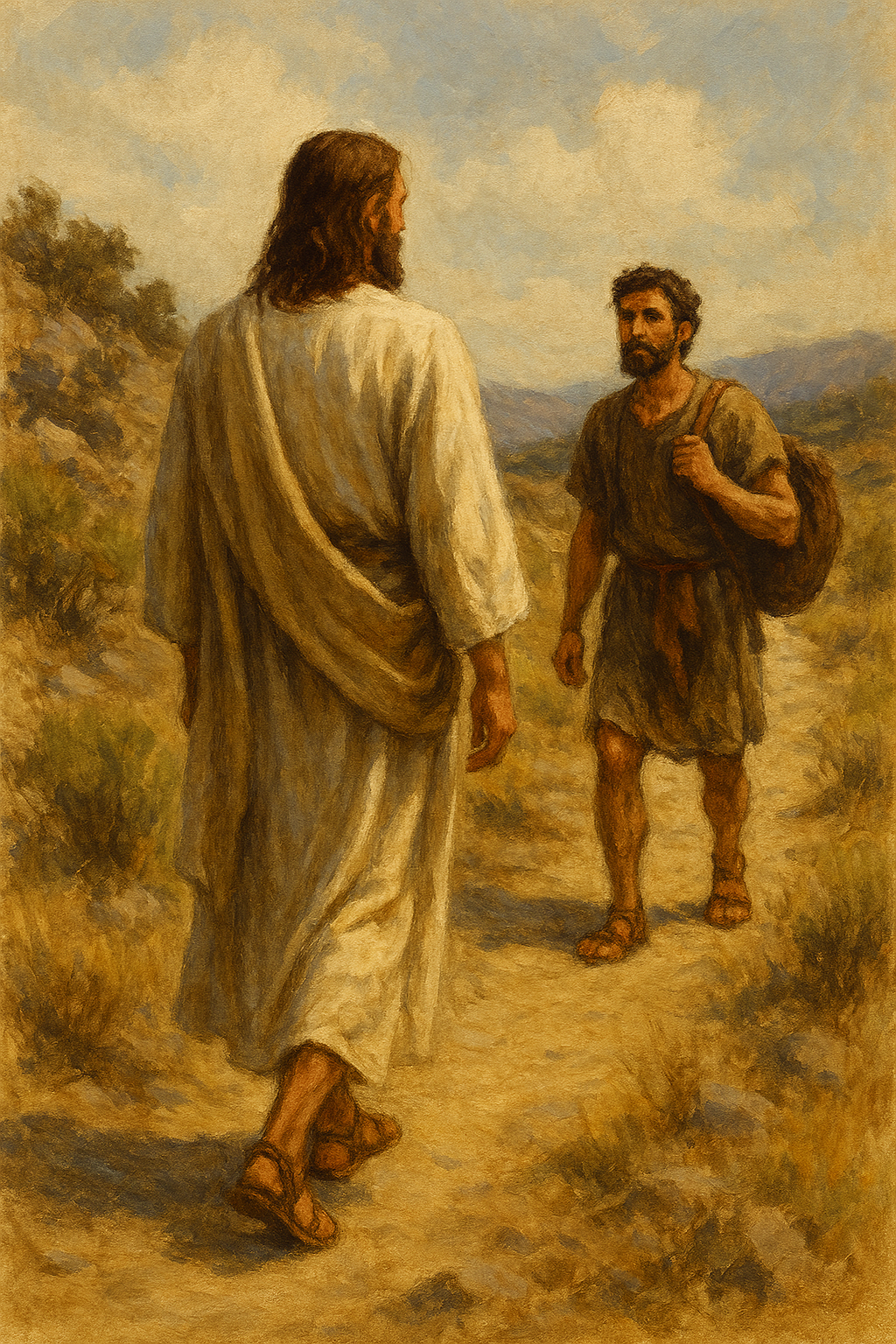
Listen to What We Believe about Following Jesus.
Many believers are focusing on so many things that Jesus DID NOT command. We want to go all in on what Jesus ACTUALLY commanded.